

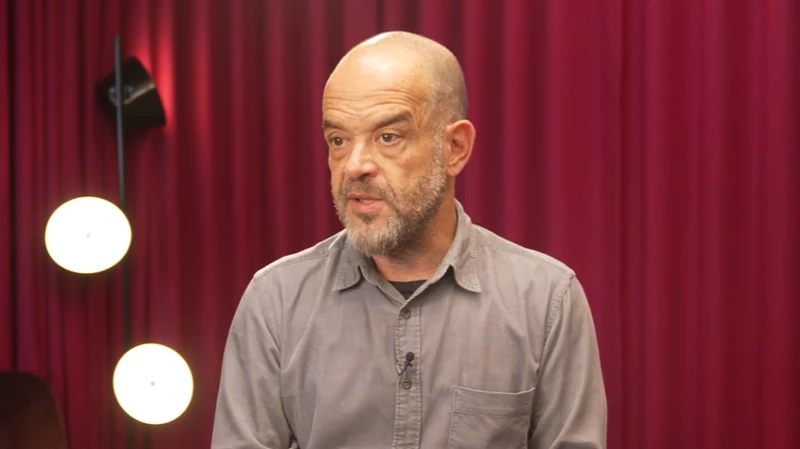
Adriano Goldman has worked on some of television’s most acclaimed productions, from The Crown to Andor, earning seven Emmy nominations along the way. Yet even he was taken aback by the scale of HBO’s Harry Potter.
“I’ve never really seen anything so incredible, so beautiful and so big,” the Brazilian cinematographer told BBC News Brasil. “It’s a huge privilege to be able to work on this project.”
Goldman is the director of photography on the first season, Harry Potter and the Philosopher’s Stone, which premieres on HBO Max on December 25. It’s his first fantasy project. Working alongside director Mark Mylod (Succession, The Menu), he helped define the visual identity of the series.
Built for real
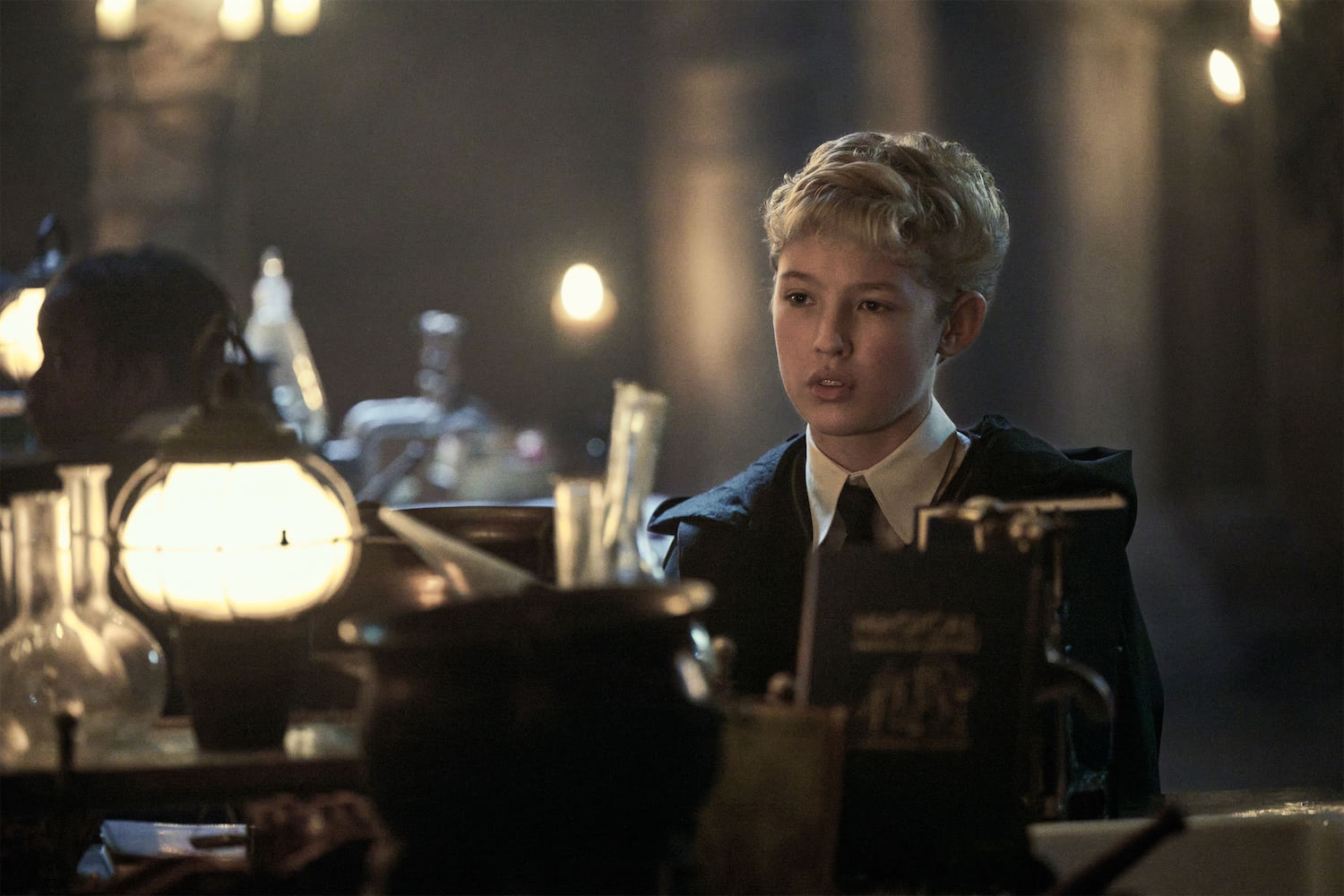
According to Goldman, much of the scale of the production can be seen in its sets, most of which were physically built at Warner Bros. Studios Leavesden, north-west of London.
“Almost 80 or 90% of the project is made on built sets,” he said. “I’ve never seen anything so big.”
That push for realism extended to the lighting. Wherever possible, the team relied on practical effects, and many environments are lit with real flames handled by a dedicated special effects crew.
Cold for Muggles, warm for Hogwarts
The lighting also carries meaning. Goldman explained that he and Mylod used it to contrast the Muggle world with the wizarding one.
Colder tones dominate the beginning of the series, before Harry discovers who he really is. Once he reaches Hogwarts, the school is bathed in warmer, more welcoming colours.
The Quidditch challenge
Filming Quidditch was one of the biggest challenges of the first season. “The first season has at least three matches, I think. One of them is really big,” Goldman revealed.
“It was quite challenging because it’s very technical and involves every department: costumes, make-up, special effects and visual effects too.“
Dominic McLaughlin will win people over
Goldman is aware of the weight of expectation around a new adaptation of such a beloved story, 15 years after the final film. “The audience has very high expectations of a reinterpretation, or of revisiting the films and the books,” he said. “And the people behind the project intend to please this huge mass of fans.”
Still, he insists the pressure doesn’t weigh on him personally. “I don’t feel that it affects me directly, but it could. Once this first season is delivered, we’ll assess how it’s received.”
He’s also confident in the show’s young lead. “I’m convinced that the boy who plays Harry Potter is an exceptional young actor, and I think that will really help win over the audience that currently has some reservations or very high expectations.“
Four hours a day with the young cast
Working with the young actors also shaped how the series was shot. “British law only allows children to work in front of the camera for four or four and a half hours a day,” Goldman explained.
As a result, technical preparation and rehearsals have to happen without them, and most decisions about framing, lighting and camera movement are made in advance. “There’s no time to be creative when the children are on set,” he said.
To make filming possible, the production even built a school inside the Warner Bros. studios, where the young actors split their days between lessons and filming. The classrooms were designed for up to 600 pupils at peak times, such as scenes with large numbers of extras, but usually host around 150 students.
From pressure to family
Goldman said Mylod told him he was among the first names considered for the role from the very start. The two quickly built a strong creative bond, with Goldman describing Mylod as pragmatic, efficient and close to his crew.
“Harry Potter, which at first was an enormous project that brought a certain anxiety, has now become a family,” he said. “We’ve found a way of working that is proving efficient, and I think it’s looking beautiful.”
Harry Potter and the Philosopher’s Stone premieres on HBO Max on December 25, 2026.
Source: BBC News Brasil. Quotes translated from Portuguese.
Leave a Reply